Science-backed neurowellness for women navigating burnout, hormonal shifts, and the demanding transitions of this decade. No perfection. No overwhelm. Just a foundation that works.
Tired all the time, but nothing shows up on a basic test. Told it's normal, but it doesn't feel normal. The growing realisation that wellness isn't optional — it's foundational. Her 30s Club blends modern science with holistic practice to support the brain and body, without unrealistic routines. Start where you are. Keep what works. Leave what doesn't.
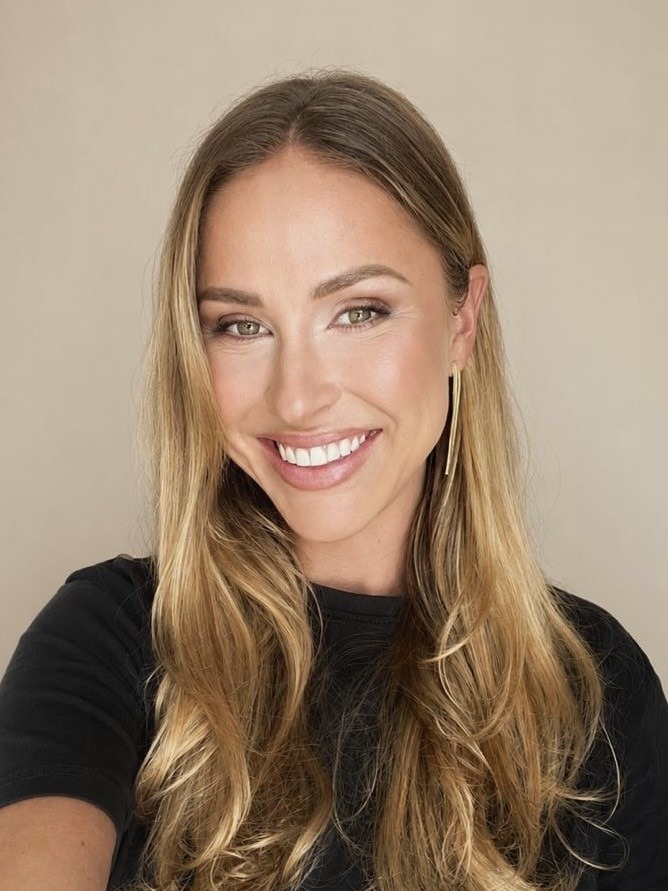
Tayla Stephenson
For decades, much of what we understand about health, nutrition, metabolism, and disease was built on research that didn't adequately reflect the female body. Meaningful inclusion of women in clinical research only became standard practice in the 1990s — which means many of the health recommendations we still follow today were never designed with women's hormonal rhythms, physiology, or lived experience in mind.
Perhaps that's why so many women do everything "right" — tracking macros, eliminating foods, following protocols — and still feel exhausted, disconnected, or confused by their bodies.
Fatigue is not a lack of discipline, brain fog is not a lack of motivation and burnout is not a sign that you need to try harder.
Your body communicates constantly — through energy, mood, sleep, digestion, focus, and your menstrual cycle. The goal isn't to silence those signals. It's to understand them. Food, too, is more than calories and macros — it's information, interacting with hormones, neurotransmitters, blood sugar, inflammation, and the gut-brain connection.
There is no one-size-fits-all for wellbeing. What supports one woman may not support another — and your own needs shift across seasons, life stages, and your cycle. This is why Her 30s Club blends modern science with a more personalised, holistic perspective: helping you understand your unique biology, rather than forcing your body into someone else's formula.
Because wellness isn't about perfection. It's about learning to work with your body instead of against it.
Morning light upon waking. A steady sleep window of 7–9 hours. Small, repeatable signals that anchor your circadian rhythm.
Circadian healthFood as medicine and a way to stabilise mood, energy, and long-term metabolic health. Protein, fibre and colour as daily anchors.
NeurochemistryStrength training, walking, and cycle-aware movement that builds resilience instead of depleting it. Vitality over intensity.
Strength & recoveryBreathwork, connection, and gratitude as daily, five-minute practices — the small repetitions that change how your nervous system responds to everyday demands.
Nervous system
A complete, science-informed guide to neurowellness in your 30s — built around the 4 Pillars, a daily NeuroFlow ritual, and a breakdown of the labs worth discussing with your doctor if something feels off.
I'm Tayla, the founder of Her 30s Club. My background is in pharmaceutical and healthcare management — a Master's degree in the field, a certification in Drug Development from the University of San Diego, and on-field experience as a healthcare business consultant. But this isn't built from credentials alone. It's built from having lived across Australia, the United States, Spain, and Italy, and learning — slowly, imperfectly — how much lifestyle, environment, and self-trust shape long-term health.
Here, I try to translate the science into something you can actually live. Not another thing to optimise. Just support that meets you where you are.
— Tayla
Follow along for science-backed nutrition tips, the daily NeuroFlow in practice, and an honest look at what it takes to feel well in your 30s.
Beyond the feed: community wellness walks, starting in Switzerland — details to follow on Instagram.
@her30sclub on Instagram →
If you've ever stood in front of the fridge trying to work out whether something is "allowed", you're not alone — food isn't good or bad, it just does different things.
Read article →
If you ever find yourself completely depleted, scrolling for twenty minutes trying to figure out what might make you feel human again — a dopamine menu is for you.
Read article →